




Turkish Numbers, Telling the Time and Prices
To tell the time in Turkish, ask Saat kaç? (What time is it?) and answer with saat plus a number: Saat üç (It's three). For minutes past the hour, the hour takes the accusative ending and the verb is geçiyor: Saat üçü beş geçiyor (3:05). For minutes to the hour, the hour takes the dative ending and the word is var: Saat dörde beş var (3:55). If you are asking when something happens (Saat kaçta?), geçiyor becomes geçe and var becomes kala.
The numbers themselves are regular, and about twenty words build every number up to a million. Time, dates and prices are where learners slow down, because the numbers pick up case endings. If you can't read the letters yet, start with the Turkish alphabet and pronunciation.
Numbers from sıfır to bir milyon
| Number | Turkish | Number | Turkish |
|---|---|---|---|
| 0 | sıfır | 10 | on |
| 1 | bir | 20 | yirmi |
| 2 | iki | 30 | otuz |
| 3 | üç | 40 | kırk |
| 4 | dört | 50 | elli |
| 5 | beş | 60 | altmış |
| 6 | altı | 70 | yetmiş |
| 7 | yedi | 80 | seksen |
| 8 | sekiz | 90 | doksan |
| 9 | dokuz | 100 | yüz |
Bigger numbers are built by putting the parts in a row, largest first: on bir (11), yirmi beş (25), yüz kırk iki (142), üç yüz altmış beş (365). Above 100 you add bin (1,000) and milyon (1,000,000). **You say yüz and bin without bir in front, but a million is bir milyon**: 1,250 is bin iki yüz elli, and 2026 is iki bin yirmi altı.
The Türk Dil Kurumu (TDK) says that numbers made of more than one word are written separately: iki yüz, bin iki yüz elli bir. Turkish uses a dot to group thousands and a comma for decimals (same TDK page), which trips up English speakers reading prices: 1.000.000 is a million, 12,5 is twelve and a half, and 1.500 TL is fifteen hundred lira.
Three more words you'll need: yarım is half on its own (yarım kilo), buçuk is "and a half" after a number (iki buçuk), and çeyrek is a quarter.
Ordinals: birinci, ikinci, üçüncü
Ordinals add -ıncı, -inci, -uncu or -üncü, following vowel harmony. After a vowel, the ending loses its first vowel: iki becomes ikinci, altı becomes altıncı.
| Number | Ordinal | Number | Ordinal |
|---|---|---|---|
| 1 | birinci | 6 | altıncı |
| 2 | ikinci | 7 | yedinci |
| 3 | üçüncü | 8 | sekizinci |
| 4 | dördüncü | 9 | dokuzuncu |
| 5 | beşinci | 10 | onuncu |
Dört softens to dördüncü. Only the last word of a compound number changes: yirmi birinci (21st), yüzüncü (100th). When you write an ordinal in figures, TDK allows either a dot or an apostrophe plus the ending: 3. or 3'üncü, never both. You'll use them for floors (üçüncü kat) and directions (sağdan ikinci sokak, the second street on the right), but dates use plain numbers, not ordinals.
Telling the time: saat kaç?
There are two questions, with different answers:
- Saat kaç? means "What time is it?" The answer is a statement: Saat üç (It's three o'clock).
- Saat kaçta? means "At what time?" The answer carries the locative ending -da/-de/-ta/-te: Saat üçte (at three).
Whole hours and half hours are easy. Buçuk means half past: Saat üç buçuk is 3:30. For 12:30 (midday or midnight) people say saat yarım.
Past the hour: accusative + geçiyor
For minutes past the hour, the hour takes the accusative ending and the verb is geçiyor ("is passing"). Saat üçü beş geçiyor means the time is passing three by five minutes; üç is the direct object, so it takes -ı/-i/-u/-ü.
- Saat biri on geçiyor. (1:10)
- Saat üçü çeyrek geçiyor. (3:15)
- Saat altıyı yirmi geçiyor. (6:20)
To the hour: dative + var
For minutes to the hour, the hour takes the dative ending -a/-e and the word is var ("there is"). Saat dörde beş var means "there are five minutes to four", counted toward four.
- Saat dörde çeyrek var. (3:45)
- Saat ikiye on var. (1:50)
- Saat yediye yirmi var. (6:40)
The classic mistake is mixing the two cases. Üçe beş geçiyor is wrong for 3:05, and so is dördü çeyrek var for 3:45. Accusative always goes with geçiyor/geçe, and dative always goes with var/kala. Both endings are covered in Turkish cases explained.
Saat kaçta? geçe and kala
When something happens at a time, the hour keeps its case and only the last word changes. Geçiyor becomes geçe, and var becomes kala. TDK's own examples are saat dokuzu beş geçe and saat yediye çeyrek kala.
| Clock | Saat kaç? (What time is it?) | Saat kaçta? (At what time?) |
|---|---|---|
| 3:00 | Saat üç. | Saat üçte. |
| 3:30 | Saat üç buçuk. | Saat üç buçukta. |
| 12:30 | Saat yarım. | Saat yarımda. |
| 3:05 | Saat üçü beş geçiyor. | Saat üçü beş geçe. |
| 3:15 | Saat üçü çeyrek geçiyor. | Saat üçü çeyrek geçe. |
| 3:45 | Saat dörde çeyrek var. | Saat dörde çeyrek kala. |
| 3:50 | Saat dörde on var. | Saat dörde on kala. |
The hour in every case
Vowel harmony and consonant changes make a few forms irregular. Dört becomes dördü and dörde, but dörtte. Words ending in a vowel add a y before the accusative and dative.
| Hour | Accusative (geçiyor/geçe) | Dative (var/kala) | Locative (at …) |
|---|---|---|---|
| bir | biri | bire | birde |
| iki | ikiyi | ikiye | ikide |
| üç | üçü | üçe | üçte |
| dört | dördü | dörde | dörtte |
| beş | beşi | beşe | beşte |
| altı | altıyı | altıya | altıda |
| yedi | yediyi | yediye | yedide |
| sekiz | sekizi | sekize | sekizde |
| dokuz | dokuzu | dokuza | dokuzda |
| on | onu | ona | onda |
| on bir | on biri | on bire | on birde |
| on iki | on ikiyi | on ikiye | on ikide |
The 24-hour clock
Tickets, timetables and official appointments use the 24-hour clock. TDK writes times with a dot, 17.30, and screens often show a colon. Read these as plain numbers: on yedi otuz. A suffix after the figures follows how you say the number aloud, so you write 17.30'da (otuzda), 11.00'de (on birde) and 08.40'ta (kırkta). In conversation, people go back to the 12-hour clock and add sabah (morning), öğleden sonra (afternoon), akşam (evening) or gece (night): akşam yedide, at seven in the evening.
A: Affedersiniz, saat kaç? B: Saat dördü çeyrek geçiyor. A: Teşekkürler. Otobüs saat kaçta kalkıyor? B: Beşe on kala.
Days, months and dates
| Days | Months | ||
|---|---|---|---|
| Pazartesi | Monday | Ocak | January |
| Salı | Tuesday | Şubat | February |
| Çarşamba | Wednesday | Mart | March |
| Perşembe | Thursday | Nisan | April |
| Cuma | Friday | Mayıs | May |
| Cumartesi | Saturday | Haziran | June |
| Pazar | Sunday | Temmuz | July |
| Ağustos | August | ||
| Eylül | September | ||
| Ekim | October | ||
| Kasım | November | ||
| Aralık | December |
Dates use cardinal numbers, with the day first: 2 Kasım 2026 is read iki Kasım iki bin yirmi altı, and in figures it is 2.11.2026. To ask the date, say Bugün ayın kaçı? and you'll hear Bugün iki Kasım. "On a date" takes the locative, which goes on the month after an apostrophe: Kasım'da, Mayıs'ta, 12 Ekim'de.
TDK has a rule for capital letters too. Month and day names that point to a specific date start with a capital (29 Ekim 1923), and in general use they are lowercase: perşembe günleri (on Thursdays), eylülün ikinci haftası.
A: Randevunuz ne zaman? B: 12 Kasım Perşembe, saat 14.30'da. A: Tamam, on iki Kasım, on dört otuz. Görüşmek üzere.
Prices, lira and kuruş at the pazar
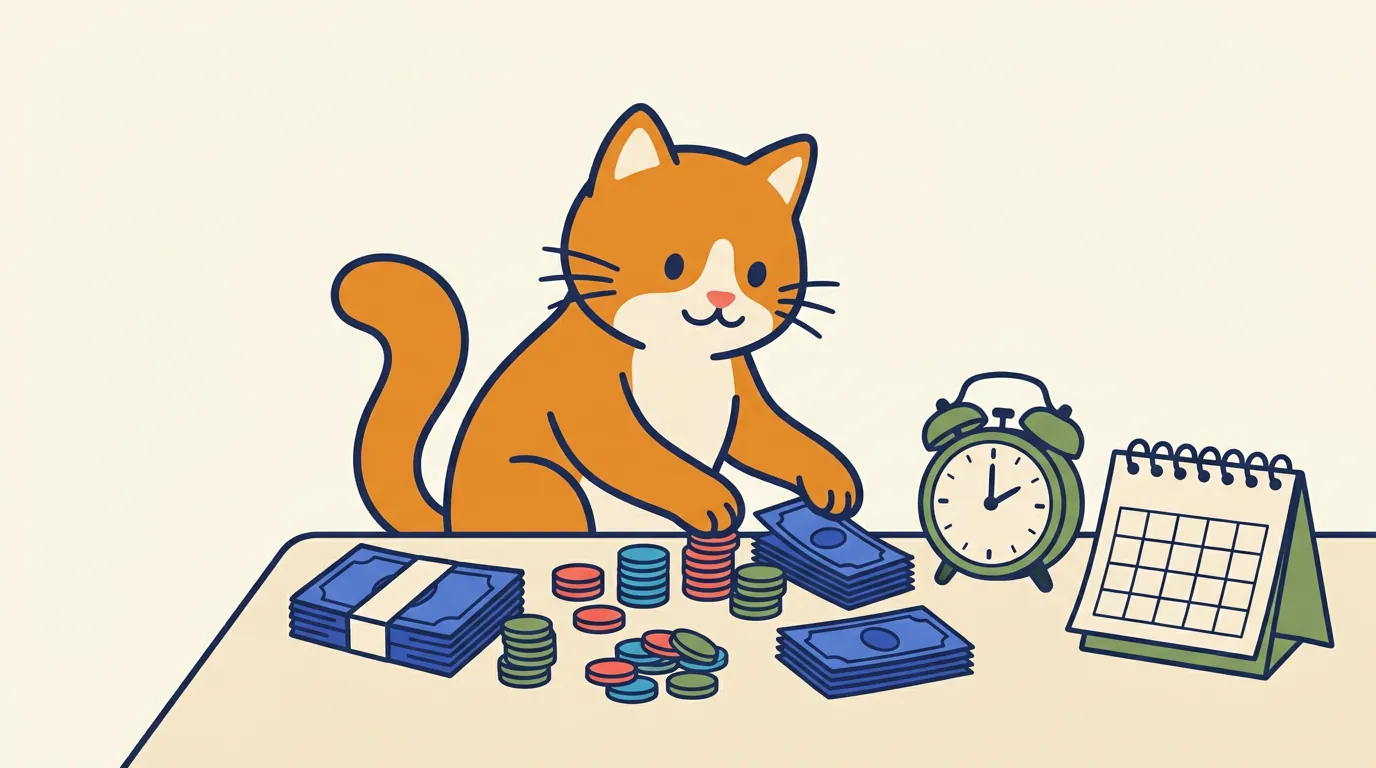
The currency is the Turkish lira (TL, ₺), and one lira is 100 kuruş. 7,50 TL is yedi lira elli kuruş, usually shortened to yedi elli.
| Turkish | Meaning |
|---|---|
| Ne kadar? | How much? |
| Bu kaça? | How much is this? |
| Kaç lira? | How many lira? |
| Kilosu kaç? | How much per kilo? |
| Tanesi kaç? | How much each? |
| Hepsi ne kadar? | How much for all of it? |
| Biraz indirim olur mu? | Could you give a small discount? |
| Son fiyat ne? | What's your final price? |
| Çok pahalı. | That's too expensive. |
| Üstü kalsın. | Keep the change. |
Bu kaça? uses the dative: literally "for how much is this?" At a weekly neighbourhood pazar, produce has a price per kilo on a sign, so bargaining over one kilo of tomatoes isn't really done. Asking for a round number when you buy several things is normal, though, and so is asking for a better price on carpets, souvenirs or second-hand goods. Sellers often call customers abla (older sister) and abi (older brother), and you can answer the same way.
The prices in this dialogue are made up for practice:
Satıcı: Buyurun abla, ne vereyim? Müşteri: Domatesin kilosu kaç? Satıcı: Kırk lira. Müşteri: İki kilo alayım. Biber kaça? Satıcı: Kilosu elli lira. Müşteri: Yarım kilo da biber. Hepsi ne kadar? Satıcı: Yüz beş lira. Müşteri: Yüz olsun mu? Satıcı: Olsun abla, senin hatırına. Müşteri: Buyurun. Kolay gelsin!
Kolay gelsin is what you say to someone at work; more phrases like it are in Turkish greetings and everyday phrases.
Phone numbers and other numbers you'll say aloud
A Turkish mobile number has a leading 0 and ten more digits. From abroad, you drop the 0 and dial the country code +90. Turks read phone numbers in groups of three, three, two and two, so 0555 123 45 67 (an example number) becomes sıfır beş yüz elli beş, yüz yirmi üç, kırk beş, altmış yedi. Digit by digit sounds foreign. The emergency number 112 is yüz on iki.
A: Numaranı alabilir miyim? B: Tabii. Sıfır beş yüz elli beş, yüz yirmi üç, kırk beş, altmış yedi. A: Bir daha söyler misin? Kırk beş, altmış yedi, değil mi? B: Evet, doğru.
Age is Kaç yaşındasınız?, answered Otuz iki yaşındayım. Addresses bring Kaç numara? (What number?), kat (floor) and daire (flat), questions you'll answer often when you live in Türkiye.
Frequently asked questions
Why is it "üçü beş geçiyor" and not "üçe beş geçiyor"?
Geçmek (to pass) takes a direct object, so the hour goes in the accusative: the time is passing three. Var counts the minutes toward the next hour, so that hour takes the dative: dörde beş var. TDK's spelling guide uses the same pattern in dokuzu beş geçe and yediye çeyrek kala.
What is the difference between geçiyor and geçe, and between var and kala?
Geçiyor and var answer Saat kaç? and describe the time now. Geçe and kala answer Saat kaçta? and describe when something happens. The case on the hour stays the same in both.
Do Turks use the 24-hour clock?
In writing, yes: timetables, tickets, appointments and official notices use it, as in 17.30. In conversation most people use the 12-hour clock with sabah, akşam or gece to make the time clear.
Can I bargain everywhere in Turkey?
No. Supermarkets, chain stores and pharmacies have fixed prices. At an open market you can ask for a round total when you buy several items, and bargaining is expected for carpets, souvenirs and many second-hand purchases.
The numbers go in quickly. Saying üçü beş geçiyor and dörde beş var without stopping to think about the endings takes much longer, and a teacher who stops you when an ending slips speeds that up. The free level test shows where you're starting, and a free trial lesson with Ceylan lasts 20 to 30 minutes.
 Everyday Turkish100 Common Turkish Words, With Pronunciation100 useful Turkish words in themed tables: basics, people, time, food, places, 20 key verbs and adjectives, with pronunciation and common mistakes.
 Everyday TurkishDays of the Week and Months in Turkish, With SoundThe seven Turkish days (Pazartesi to Pazar) and twelve months (Ocak to Aralık) with pronunciation, seasons, how to say dates, and 'on Monday'.
 Everyday TurkishHello in Turkish: Merhaba Meaning, Selam and RepliesHello in Turkish is merhaba (mehr-hah-bah), a greeting from Arabic. Learn selam, günaydın and iyi günler, formal vs casual use, and how to reply.
 Everyday TurkishHow to Say Thank You in Turkish, and How to ReplyThank you in Turkish is teşekkür ederim (teh-shek-kewr eh-deh-rim). Also teşekkürler, sağ ol and eyvallah, and how to reply with rica ederim.
 Everyday TurkishI Love You in Turkish: Seni Seviyorum and Love WordsI love you in Turkish is seni seviyorum (seh-nee seh-vee-yoh-room). Learn how to reply, terms of endearment like canım and aşkım, and romantic phrases.
 Everyday TurkishSpoken Turkish vs Written Turkish: How People Really TalkWhy street Turkish sounds unlike your textbook: contractions like napıyon and geliyom, dropped sounds, fillers like yani and şey, and when to avoid them.