





Turkish for Working in Türkiye: Phrases for the Job
To work in Türkiye in Turkish you need four things first: a way to introduce yourself, the words for instructions and safety, the vocabulary of shifts and pay (maaş, mesai, izin, vardiya), and a few set messages for your manager. Most of this fits in A2, as long as people speak slowly and you can ask them to repeat. Interviews and phone calls about problems take you to B1, and customer-facing or written work goes higher. The levels here follow the Council of Europe's CEFR descriptors.
This is a language guide only. It isn't legal advice, and nothing here covers work permits, residence or visas. Ask your employer and the official authorities about those.
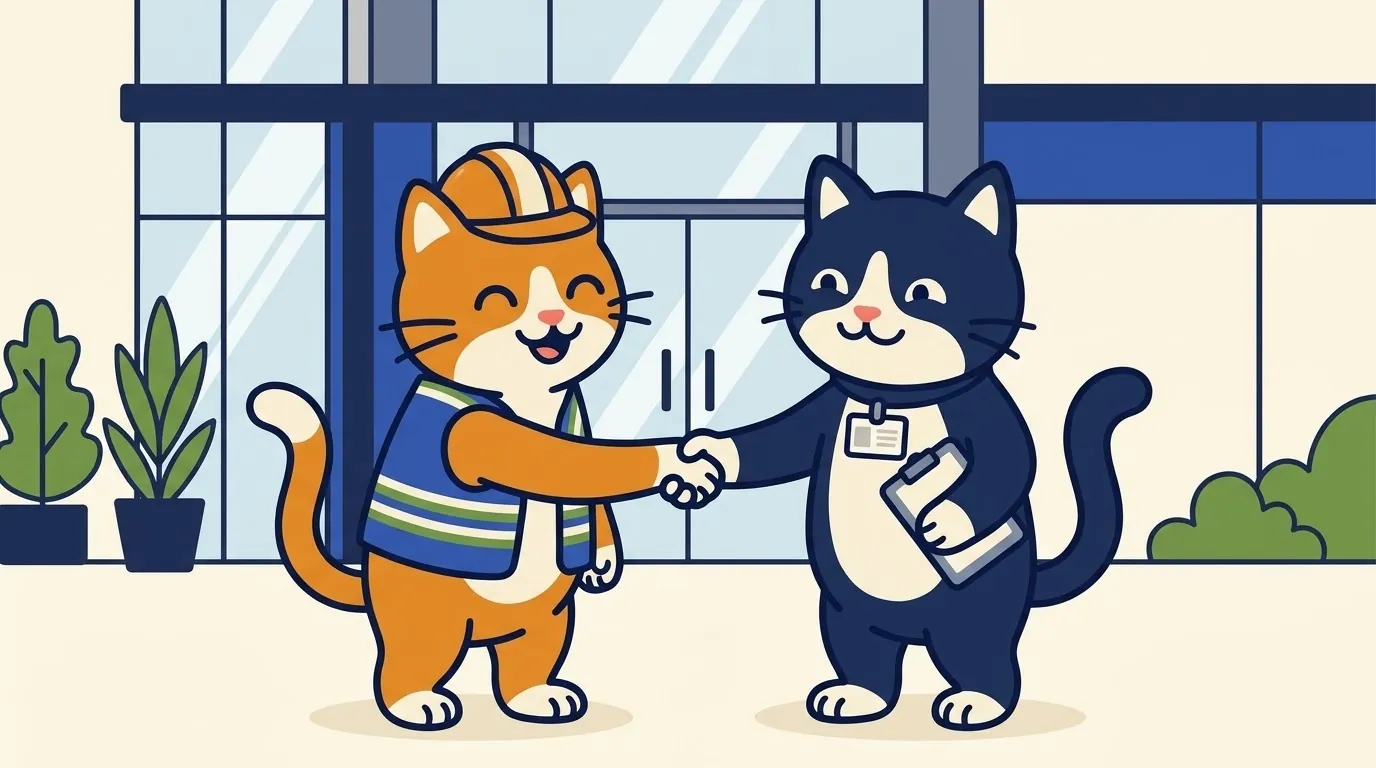
Your first day: introductions and small talk
You'll introduce yourself again and again on the first day, so learn one short version and repeat it. Use siz with your manager and with anyone older or senior; colleagues at your level usually move to sen quickly. Kolay gelsin will follow you around all day. People say it to anyone who is working, and the usual reply is Sağ ol or Teşekkürler.
| Turkish | English |
|---|---|
| Merhaba, ben Ali. Bugün başladım. | Hello, I'm Ali. I started today. |
| Yeniyim, burada ilk günüm. | I'm new, it's my first day here. |
| Hangi bölümde çalışıyorsunuz? | Which department do you work in? |
| Şefimiz kim? / Ustabaşı kim? | Who's our supervisor? / Who's the foreman? |
| Kolay gelsin! | (said to someone at work, roughly "may it go easy") |
| Türkçem biraz zayıf, yavaş konuşur musunuz? | My Turkish is a bit weak, could you speak slowly? |
On a building site or in a workshop, an experienced worker is often called usta, and people say Ustam when they speak to one. In offices people use the first name plus Bey or Hanım, as in Murat Bey and Selin Hanım. Our business Turkish guide covers that office register in detail.
Understanding instructions at work
Most instructions are short imperatives, and the verb comes at the end of the sentence. Bunu buraya koy is literally "this here put". So listen for the last word, because that's the action. Polite requests from managers often use the question form -ır mısın / -ır mısınız, so Kapıyı kapatır mısın? means "Could you close the door?"
| Instruction | Meaning | What you can say back |
|---|---|---|
| Bekle. / Dur! | Wait. / Stop! | Tamam. (OK.) |
| Bunu buraya koy. | Put this here. | Buraya mı? (Here?) |
| Şunu getir. | Bring that. | Hangisini? (Which one?) |
| Böyle yap, bak. | Do it like this, look. | Gösterir misiniz? (Can you show me?) |
| Acele et. / Yavaş! | Hurry up. / Slowly! | Anladım. (Got it.) |
| Bitirince haber ver. | Tell me when you finish. | Bitti. (It's done.) |
Learn three sentences before any word list: Anlamadım (I didn't understand), Tekrar eder misiniz? (Could you repeat that?) and Bir daha gösterir misiniz? (Could you show me again?). Nobody expects a new worker to understand everything, and asking costs less than doing a task wrong.
Safety words you must recognise
Read these until you know them on sight. They appear on signs, labels and machines, and someone may shout them at you. If you learn only two words on day one, make them Dikkat! and Dur!
| Turkish | English |
|---|---|
| Dikkat! | Caution! / Watch out! |
| Tehlike / Tehlikeli | Danger / Dangerous |
| Girilmez / Girmek yasaktır | No entry |
| Sigara içilmez | No smoking |
| Acil çıkış | Emergency exit |
| Yangın | Fire |
| İlk yardım | First aid |
| Yüksek gerilim | High voltage |
| Kaygan zemin | Slippery floor |
| Baret / eldiven / koruyucu gözlük takın | Wear a hard hat / gloves / safety glasses |
| İş güvenliği | Occupational safety |
If something happens, say it in the simplest words you have: Yaralandım (I'm hurt), Kaza oldu (There's been an accident), Yardım edin! (Help!). In an emergency, call 112.
Shifts, hours and pay: maaş, mesai, izin, vardiya
These four words come up in nearly every job conversation. The TDK dictionary defines vardiya as each of the working periods a 24-hour working day is divided into, and one of the meanings it gives for izin is time off given by your workplace. Mesai means work, mesai saatleri are your working hours, and overtime is fazla mesai.
| Word | Meaning | Example |
|---|---|---|
| maaş | salary, monthly pay | Maaşlar ayın kaçında yatıyor? (On which day of the month is pay paid in?) |
| bordro | payslip | Bordromu alabilir miyim? (Can I have my payslip?) |
| prim / avans | bonus / advance | Avans alabilir miyim? (Can I get an advance?) |
| mesai | work, working hours | Mesai kaçta başlıyor? (What time does work start?) |
| fazla mesai | overtime | Bugün fazla mesai var mı? (Is there overtime today?) |
| izin | leave, permission | Cuma günü izin alabilir miyim? (Can I take Friday off?) |
| yıllık izin | annual leave | Yıllık iznim kaç gün? (How many days of annual leave do I have?) |
| rapor | doctor's note, sick note | Raporluyum. (I'm on sick leave.) |
| vardiya | shift | Hangi vardiyadasın? (Which shift are you on?) |
| gece / gündüz vardiyası | night / day shift | Gece vardiyasında çalışıyorum. (I work nights.) |
| mola | break | Yemek molası kaçta? (When's the lunch break?) |
| servis | company shuttle | Servis kaçta kalkıyor? (When does the shuttle leave?) |
You'll also hear mesaiye kalmak, to stay on for overtime: Bugün mesaiye kalabilir misin? To swap shifts with a colleague, ask Vardiya değiştirebilir miyiz? Pay and hours mean numbers, dates and clock times, so it's worth practising those separately. Our guide to Turkish numbers, time and prices starts from zero.
Talking to your manager
Requests go better with a short opener and a reason. Bir dakikanız var mı? (Do you have a minute?) works with any manager. Then say what you need and give the reason, either with çünkü (because) or in a second sentence. Keep siz with your manager unless they clearly tell you to drop it.
| Situation | Turkish |
|---|---|
| Asking for time | Müdür Bey, bir dakikanız var mı? |
| Asking for a day off | Yarın izin alabilir miyim? Doktora gitmem gerekiyor. |
| Being late | Özür dilerim, trafik yüzünden geç kaldım. |
| Finished a task | Bu iş bitti. Şimdi ne yapayım? |
| Reporting a problem | Makine bozuldu. / Malzeme bitti. |
| Not sure how to do something | Bunu nasıl yapacağımı tam anlamadım. |
| A problem with pay | Bu ay maaşım eksik yatmış galiba. |
The last line uses the -miş past, which you use for something you've just found out. Here it makes the complaint sound less like an accusation. Our article on -di vs -miş explains the difference.
Phone calls and WhatsApp messages
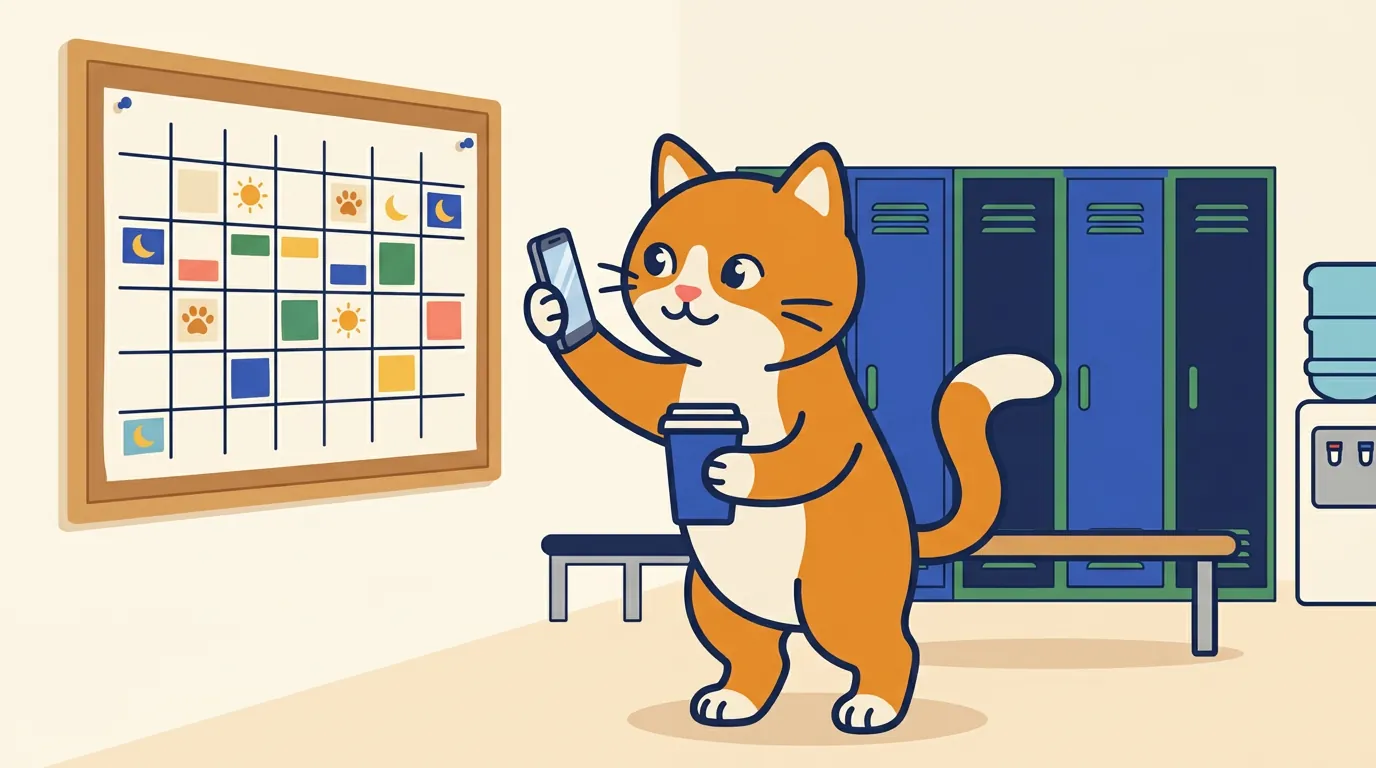
Much day-to-day communication at work happens in messages: the shift schedule, a change of plan, "where are you?" Start with a greeting and your name, say what's happening in one sentence, and end with thanks. A voice message is fine if writing is still slow for you, but check with your manager first.
| Message | English |
|---|---|
| Günaydın Selin Hanım, ben Ali, gece vardiyasından. | Good morning, Ms Selin, it's Ali from the night shift. |
| Bugün hastayım, işe gelemeyeceğim. Raporu yarın getiririm. | I'm ill today and can't come in. I'll bring the sick note tomorrow. |
| Servisi kaçırdım, yarım saat geç kalacağım. | I missed the shuttle, I'll be half an hour late. |
| Yoldayım, on dakikaya oradayım. | I'm on my way, I'll be there in ten minutes. |
| Konum atar mısınız? | Could you send me the location? |
| Tamam, anlaşıldı. Teşekkürler. | OK, understood. Thanks. |
Colleagues write tmm for tamam, slm for selam and tşk for teşekkürler. With your manager, write the full words. Messages are written the way people speak, which is a bit different from textbook Turkish. Our piece on spoken vs written Turkish shows how.
On the phone, people often answer with Efendim? or Alo? If you didn't catch something, say Pardon, sesiniz gelmiyor (Sorry, I can't hear you) or Biraz yavaş söyler misiniz? (Could you say it a bit more slowly?).
Job interview phrases
A job interview is iş görüşmesi or mülakat, and the same few questions come up in most of them. Rehearse your answers out loud, and have one honest sentence ready about your Turkish.
| Question you'll hear | A simple answer |
|---|---|
| Kendinizden bahseder misiniz? (Tell us about yourself.) | Adım Ali, yirmi sekiz yaşındayım. Beş yıl tekstilde çalıştım. |
| Daha önce nerede çalıştınız? (Where did you work before?) | Daha önce bir otelde resepsiyonda çalıştım. |
| Vardiyalı çalışabilir misiniz? (Can you work shifts?) | Evet, gece vardiyasında da çalışabilirim. |
| Ne zaman başlayabilirsiniz? (When can you start?) | Hemen başlayabilirim. / Gelecek ay başlayabilirim. |
| Türkçeniz nasıl? (How's your Turkish?) | Türkçe öğreniyorum. Yavaş konuşursanız çoğunu anlıyorum. |
Prepare your own questions too: Çalışma saatleri nasıl? (What are the hours?), Maaş net mi, brüt mü? (Is the salary net or gross?), Servis ve yemek var mı? (Is there a shuttle and lunch?), Deneme süresi var mı? (Is there a probation period?). Other words to know are iş ilanı (job ad), başvuru (application) and özgeçmiş (CV).
Words for your sector
The phrases above work in any job. Each sector adds its own vocabulary on top, so pick the sector closest to yours and learn its core words in the first weeks.
Manufacturing and textile
You'll need words for the line and the machine: makine (machine), hat (line), üretim (production), parça (part), kalite kontrol (quality control), arıza (fault), kumaş (fabric), dikiş (sewing, a seam), kesim (cutting), ütü (pressing, iron). Targets are often counted: Bugün kaç parça? (How many pieces today?).
Construction
On site you'll hear iskele (scaffolding), beton (concrete), demir (rebar, iron), kalıp (formwork), vinç (crane), usta and kalfa (master and journeyman), and above all Baret tak! (Put your hard hat on!).
Tourism and hotels
Hotels use resepsiyon (reception), oda servisi (room service), kat hizmetleri (housekeeping), misafir (guest), rezervasyon, giriş / çıkış (check-in / check-out). In resort areas you may speak the guests' languages with guests, but with colleagues, in the kitchen and in the back office you'll often need Turkish.
IT and office jobs
Many international tech teams work in English. In that case Turkish matters most outside the code: toplantı (meeting), proje, teslim tarihi (deadline), izin, bordro and lunch with the team. Office register and email phrases are in our business Turkish guide.
What level of Turkish do different jobs need?
No single level applies to every job, and employers set their own requirements. What the CEFR does give you is a way to match levels to tasks. The descriptions below paraphrase scales in the Council of Europe's CEFR Companion Volume: listening to instructions, reading instructions, goal-oriented co-operation, using telecommunications, notes and messages, and interviews.
| Task at work | Level | What the CEFR describes |
|---|---|---|
| Following instructions | A1 | understand instructions given carefully and slowly, and follow short, simple directions |
| Routine tasks with a team | A2 | understand basic instructions on times, numbers and routine tasks; communicate in simple, routine tasks and ask simply for repetition |
| Safety rules | A2 to B1 | at A2, understand safety regulations in simple language; at B1, most short safety instructions |
| Short messages | A2 to B1 | at A2, write short, simple notes about immediate needs; at B1, notes with simple information for people in your everyday life |
| Phone calls | A2 to B1 | at A2, a short phone call on a predictable topic, with repetition; at B1, routine messages and the important details of an unexpected problem |
| Job interview | A2 to B1 | at A2, answer simple questions in an interview; at B1, give concrete information, though with limited precision |
| Explaining a problem, discussing next steps | B1 | explain why something is a problem, discuss what to do next and compare alternatives |
| Complex manuals and warnings | B2 | understand lengthy, complex instructions in your field, including conditions and warnings, if you can reread |
| Leading an interview conversation | B2 to C1 | at B2, take initiatives and develop ideas with little help; at C1, take a full part without support |
Roughly, then: a job learned mostly by watching and doing, like work on a line or a site, is manageable at A2 with patient colleagues. B1 is where you can handle problems, calls and an interview on your own. Customer-facing work in Turkish, written reports and anything with complex documents call for B2 or more. Our guide to CEFR levels explains each level, and if an employer asks for proof of your level, the article on TÖMER and TYS certificates explains the options.
How to practise the Turkish for your job
Work Turkish is repetitive, which helps: the same instructions every day, the same few messages to your manager. Role-play makes them automatic. A teacher can play your foreman, the caller on the phone or the interviewer, and change the script each time, so you practise understanding the answer as well as saying your part.
Business Turkish is one of Ceylan's specialties. She is a language teacher only, though, and doesn't help with job placement, work permits, residence or visas. For Turkish outside work, see our guide to Turkish for living in Türkiye.
Frequently asked questions
Can I work in Türkiye without speaking Turkish?
Some jobs run mostly in English or in guests' languages, especially in international companies and tourist areas. Even then, you'll want Turkish for colleagues, safety signs, pay questions and messages. Whether you're allowed to work is a legal question, and this guide doesn't cover it.
What do maaş, mesai, izin and vardiya mean?
Maaş is your salary, mesai is work or working hours (fazla mesai is overtime), izin is leave or permission, and vardiya is a shift, such as gece vardiyası, the night shift.
What level of Turkish do I need for a job interview?
The CEFR places answering simple interview questions at A2, and giving concrete information at B1, though with limited precision. Aim for B1 if the whole interview is in Turkish, and rehearse your answers about experience, shifts and start date.
How do I ask my manager for a day off in Turkish?
Say Yarın izin alabilir miyim? and add the reason, for example Doktora gitmem gerekiyor (I need to go to the doctor). Use siz and Bey or Hanım after your manager's first name.
A textile worker and a hotel receptionist need quite different Turkish, so lessons work best when they start from your actual job. Tell us your sector when you request a free trial lesson of 20 to 30 minutes. You can take the free level test beforehand if you don't know your level.
 WorkBusiness Turkish: Emails, Meetings and Phone CallsBusiness Turkish for emails, meetings, calls and polite refusals: siz, Bey/Hanım, Sayın, Saygılarımla, with dialogues and the CEFR level each task needs.
 Everyday Turkish100 Common Turkish Words, With Pronunciation100 useful Turkish words in themed tables: basics, people, time, food, places, 20 key verbs and adjectives, with pronunciation and common mistakes.
 Everyday TurkishDays of the Week and Months in Turkish, With SoundThe seven Turkish days (Pazartesi to Pazar) and twelve months (Ocak to Aralık) with pronunciation, seasons, how to say dates, and 'on Monday'.
 Everyday TurkishHello in Turkish: Merhaba Meaning, Selam and RepliesHello in Turkish is merhaba (mehr-hah-bah), a greeting from Arabic. Learn selam, günaydın and iyi günler, formal vs casual use, and how to reply.
 Everyday TurkishHow to Say Thank You in Turkish, and How to ReplyThank you in Turkish is teşekkür ederim (teh-shek-kewr eh-deh-rim). Also teşekkürler, sağ ol and eyvallah, and how to reply with rica ederim.
 Everyday TurkishI Love You in Turkish: Seni Seviyorum and Love WordsI love you in Turkish is seni seviyorum (seh-nee seh-vee-yoh-room). Learn how to reply, terms of endearment like canım and aşkım, and romantic phrases.